
News
DINOSAR publishes 6 new deliverables
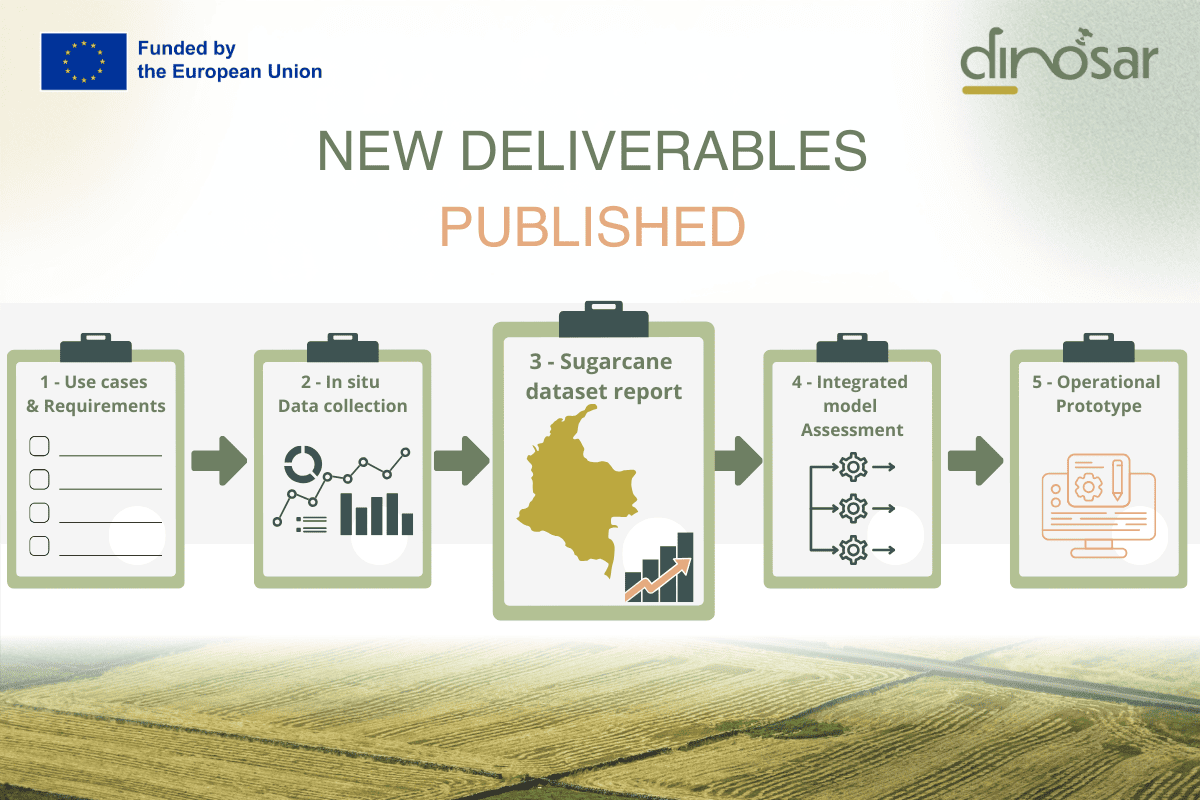
The DINOSAR project is pleased to announce the publication of six new deliverables, marking significant progress in user-driven service design, in-situ data collection, and integrated model development for sugarcane monitoring in Colombia. Together, these deliverables strengthen the scientific, technical, and operational foundations of DINOSAR’s Earth Observation (EO) services.
D1.2 – Final version of use cases
Deliverable D1.2 presents the final user use cases and system requirements guiding the development of DINOSAR services for the Colombian sugarcane sector. Based on structured interviews and focus group sessions conducted between 2024 and 2025 with sugar mills, farmers, and researchers, the report translates real operational challenges into actionable technical specifications. Using a combined qualitative and quantitative approach, the project identified and prioritised 12 consolidated user needs, each mapped to detailed functional and system requirements. Services are designed for deployment through the FieldLook platform and supported by a 14-month in-situ data collection effort. This deliverable ensures strong alignment between user expectations and technical development, laying the groundwork for scalable, field-validated EO services.
D2.2 – In-situ sugarcane dataset
Deliverable D2.2 presents the comprehensive in-situ dataset collected from July 2024 to August 2025. Crop growth data were collected weekly during the first 8–9 weeks and biweekly thereafter, following rigorous and well-defined protocols. The campaign aimed to characterise crop behaviour across diverse environments and major sugarcane varieties cultivated in the sector. All data underwent thorough quality control procedures, including outlier detection and validation processes, ensuring the dataset accurately represents ground truth. This high-quality dataset is essential for calibrating estimation and prediction algorithms developed within DINOSAR.
D2.3 – Report on Initial In-situ Data Collection Period
Deliverable D2.3 provides a detailed report on the in-situ data collection campaign conducted in the Cauca Valley. Field measurements were performed at high frequency to capture fine-scale growth dynamics of sugarcane, a C4 crop. The campaign implemented a fully digital workflow using Fulcrum mobile forms, GPS and photo records, systematic weekly quality checks, and Python-supported outlier filtering to ensure traceability and reliability. The final outputs include:
- A raw dataset
- An averaged dataset suitable for correlation analyses
- An enriched averaged dataset including climatic variables (temperature, rainfall, solar radiation, and relative humidity)
All datasets were uploaded to the FieldLook platform for access, visualisation, and comparison with EO-derived products, directly supporting robust algorithm development under real field conditions.
D3.4 – Report on the empirical physical and observational model and its performance. Version 2.
Deliverable D3.4 provides an updated description of the empirical physical models (forward and inverse) developed for NIR/optical and radar data. These models are used independently to estimate biomass at each observation date, as well as to assess accumulated biomass throughout each cultivation season.
D3.8 – Integrated Model (Version 2) and Performance Assessment
Deliverable D3.8 describes the second version of the integrated biomass estimation model. The model optimally combines biomass estimates derived separately from empirical inverse models using NIR/optical and radar data, together with predictions based on expected crop growth evolution. The report details the algorithmic framework, its implementation, and the performance assessment results of this updated version. This milestone represents a significant advancement in improving estimation accuracy through multi-sensor integration.
D4.1 – Prototype Operationalised Version of the Integrated Model
Deliverable D4.1 presents Version 1 of the operationalised integrated model, implemented within the eLEAF processing factory. The report describes how biomass estimates and associated uncertainties are operationalised and assesses how sensor integration enhances diagnostic capability. It provides an initial evaluation of the achieved synergy between physical and observational modelling approaches. This step moves DINOSAR closer to delivering operational EO services ready for deployment in real agricultural environments.
The publication of these five deliverables reflects DINOSAR’s commitment to scientific rigour, transparency, and user-oriented innovation. By combining validated in-situ datasets, advanced multi-sensor modelling, and clearly defined user requirements, the project continues to build robust, scalable solutions for precision agriculture in the Colombian sugarcane sector.
📄 All summaries of deliverables are available in the Deliverables section of the DINOSAR website, along with previous ones.
Read more news about DINOSAR
DINOSAR at European Conference on Synthetic Aperture Radar (EUSAR) 2026
We are pleased to announce that the DINOSAR project will be represented at EUSAR 2026, taking place in Baden-Baden, Germany, from 8–11 June 2026. Our partner, the University of Alicante,... View Article
DINOSAR Annual Partners Meeting: advancing technical development and future planning
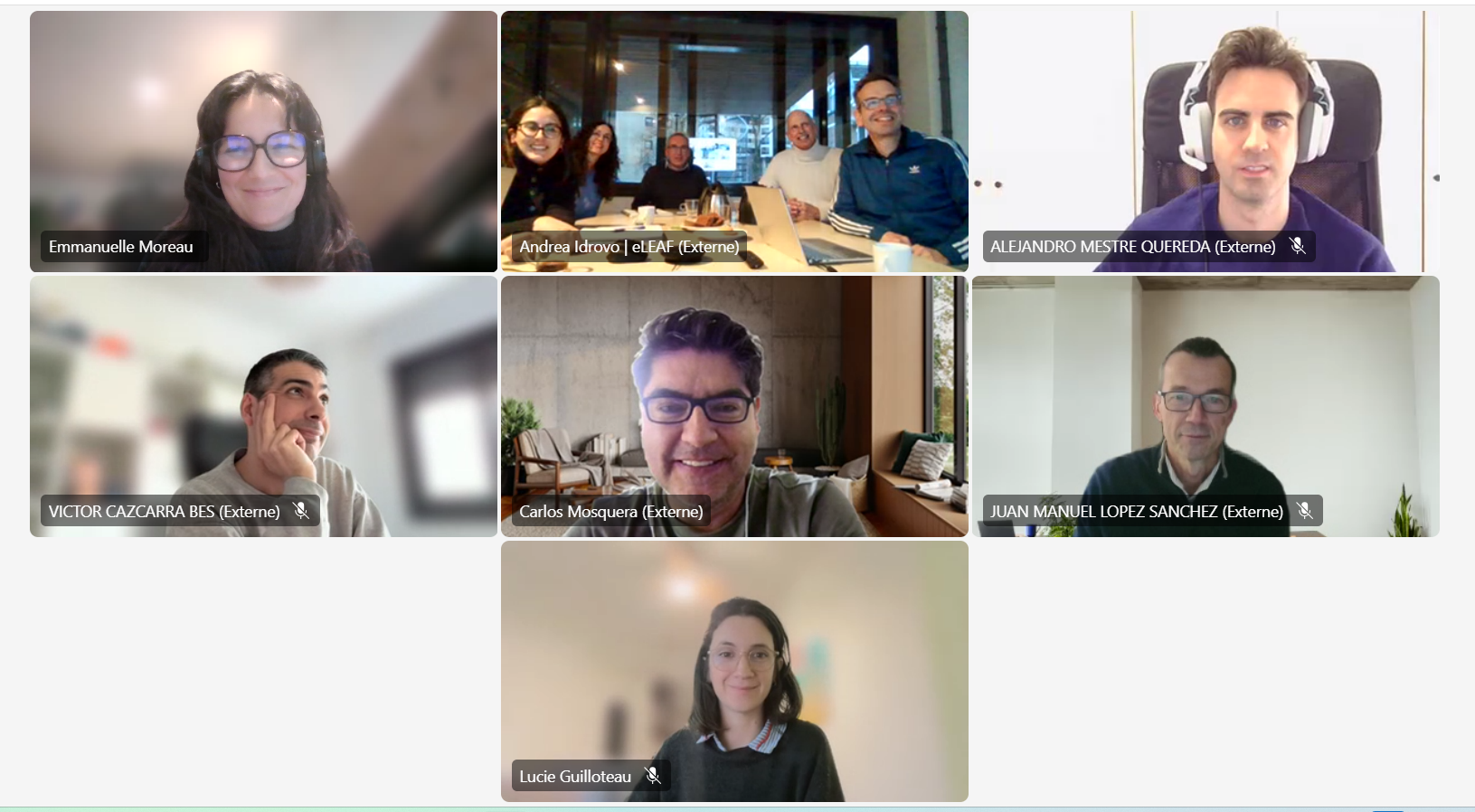
As DINOSAR enters its third and final year, all project partners gathered, on 27 January 2026, for the Annual Partners Meeting, held in a hybrid format. Half of the consortium... View Article
Latest news from the fieldwork in Valle del Cauca
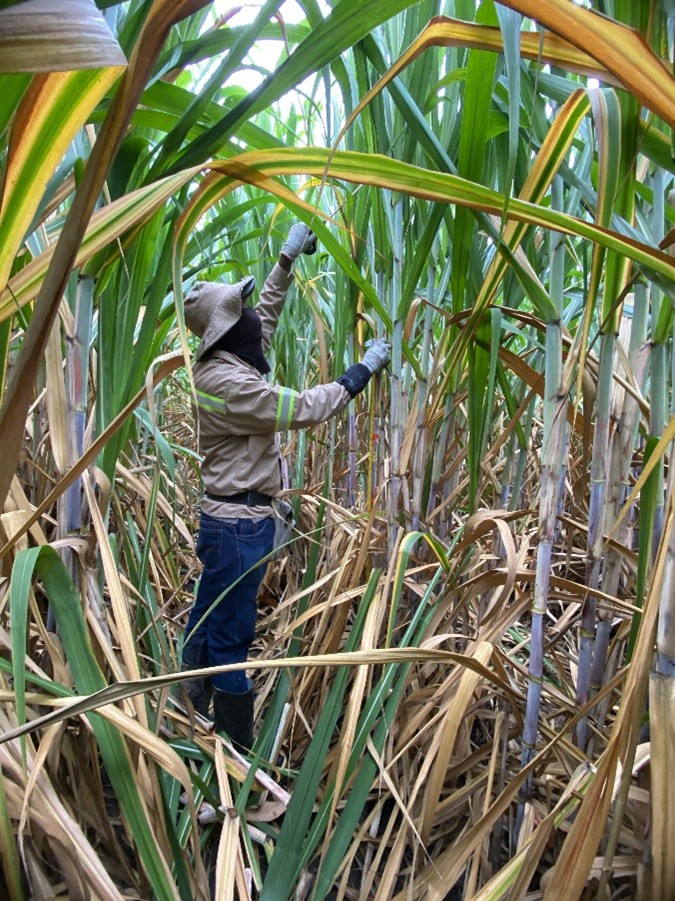
The data-collection campaign used as the reference for algorithm comparison began in July 2024 and was deployed across 24 farms belonging to the Providencia and Manuelita sugar mills. A total... View Article