
News
Latest news from the fieldwork in Valle del Cauca
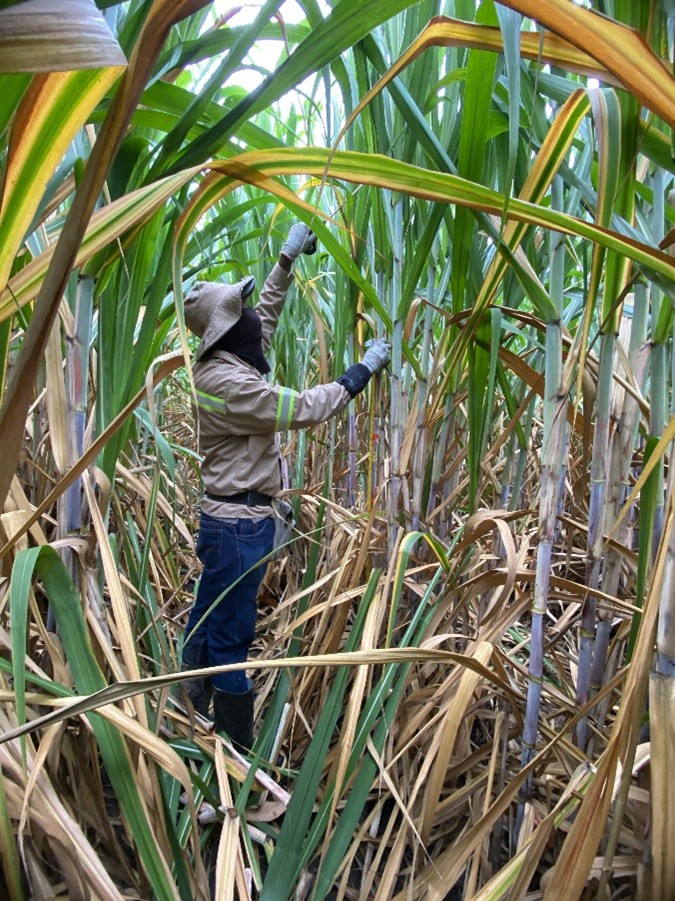
The data-collection campaign used as the reference for algorithm comparison began in July 2024 and was deployed across 24 farms belonging to the Providencia and Manuelita sugar mills. A total of 36 fields were identified, where contrasting measurement points were established in high- and low-productivity zones. These farms were distributed across three distinct environments: one located near the Cauca River, another in the mid-valley zone, and others situated near the foothills. Soil conditions, climate, and management practices were evaluated to understand the growth and development of the main commercial sugarcane varieties.
Measurements were taken weekly during the first nine weeks and then biweekly, following the standard growth-monitoring variables typically used by the Sugarcane Research Center (Cenicaña) in previous evaluations, as well as by agronomy teams in several mills.
The field team was trained following the protocols established for the project, applying the highest level of rigor and discipline to ensure data quality under the traditional production conditions of the Cauca Valley. The information was carefully reviewed each week by the AgroAP team, with a second layer of validation performed by the project team. Multiple analytical tools and verification methods were used throughout this process.
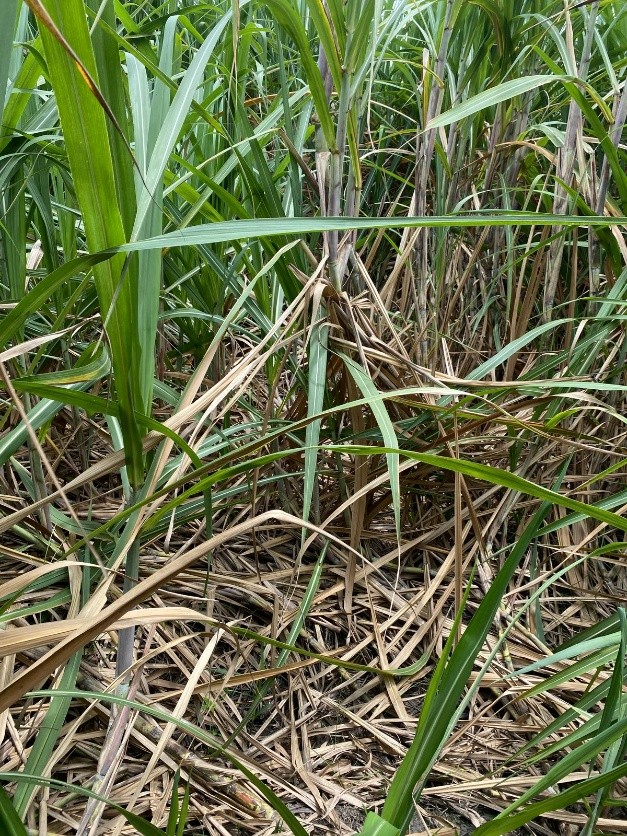
By the tenth month, lodging of the stalks began to increase due to strong winds and rainfall; however, the data collected proved to be highly valuable for refining both the estimation and forecasting models.
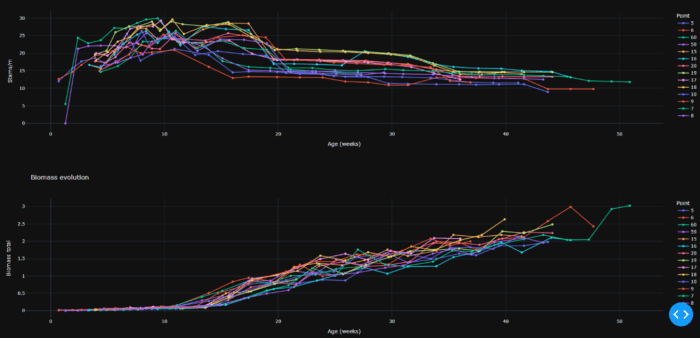
The analyses performed have made it possible to understand and validate the behavior of the varieties. This information has enabled scientists and researchers to refine the integration models using both optical and SAR data sources.
Check out our two news articles dedicated to fieldwork: https://www.dinosarproject.eu/the-university-of-alicante-in-the-cauca-valley-2/ & https://www.dinosarproject.eu/fieldwork_in-the-cauca-valley-and-visit-from-the-university-of-alicante-2-2/
Read more news about DINOSAR
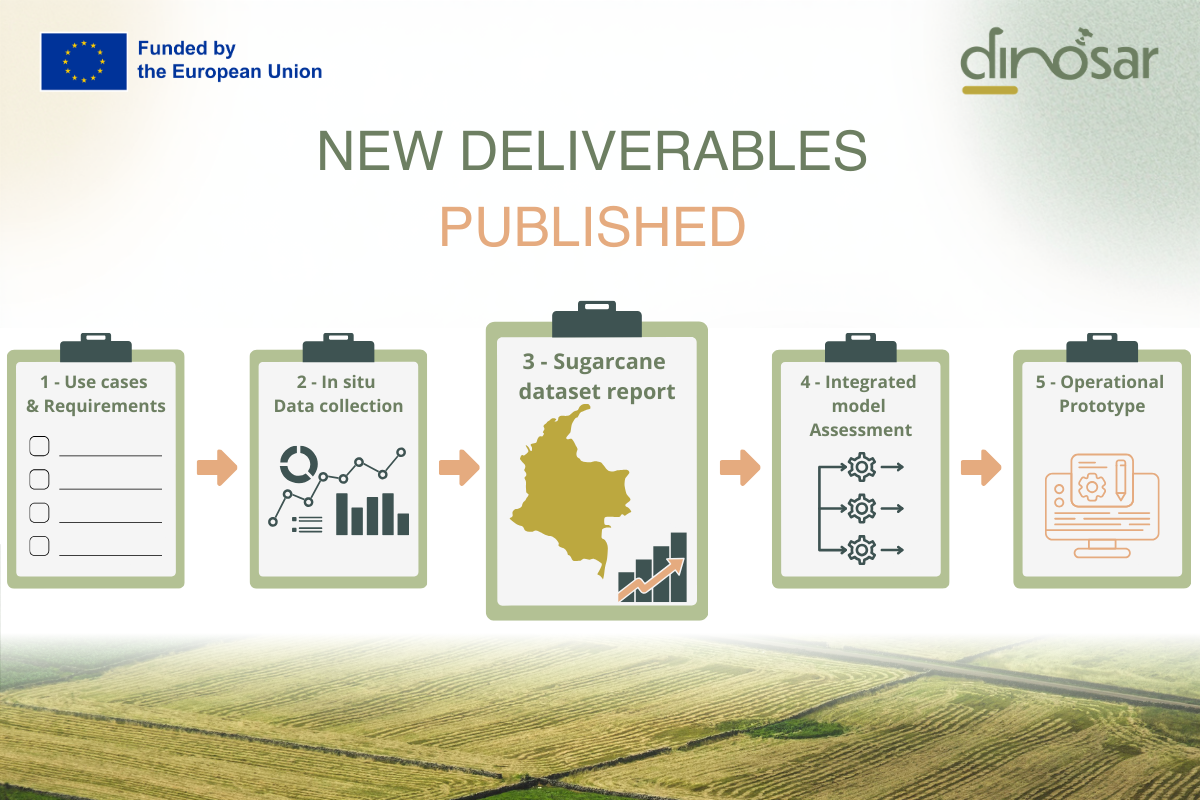
DINOSAR publishes 6 new deliverables
The DINOSAR project is pleased to announce the publication of six new deliverables, marking significant progress in user-driven service design, in-situ data collection, and integrated model development for sugarcane monitoring... View Article
DINOSAR at European Conference on Synthetic Aperture Radar (EUSAR) 2026
We are pleased to announce that the DINOSAR project will be represented at EUSAR 2026, taking place in Baden-Baden, Germany, from 8–11 June 2026. Our partner, the University of Alicante,... View Article
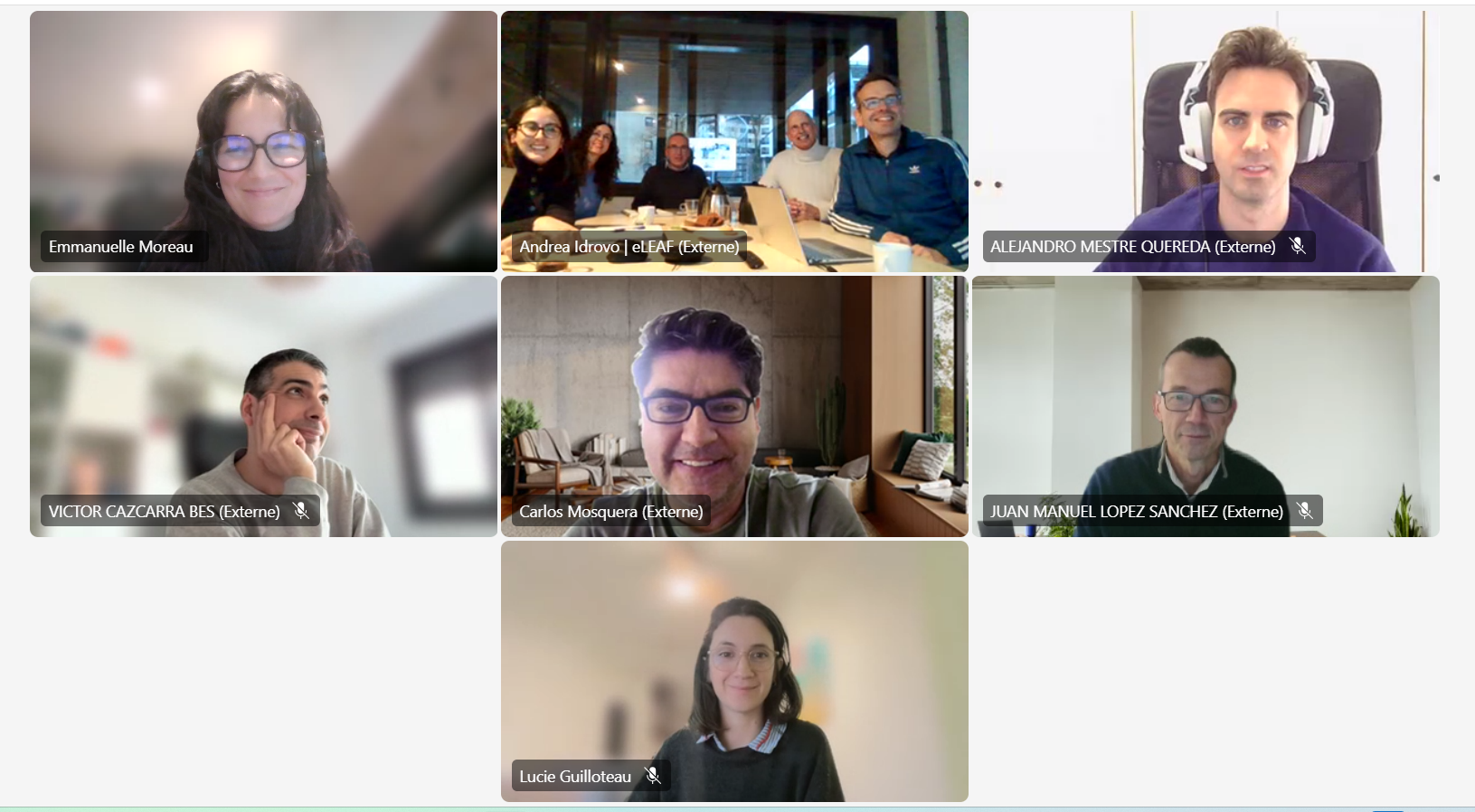
DINOSAR Annual Partners Meeting: advancing technical development and future planning
As DINOSAR enters its third and final year, all project partners gathered, on 27 January 2026, for the Annual Partners Meeting, held in a hybrid format. Half of the consortium... View Article